
Selecting the right silicone company isn’t just about price or lead time — it’s about whether the material you receive will perform reliably in your application, meet the right specification, and arrive with the traceability and quality controls your industry requires. The right silicone partner understands not only the material, but the environment, regulatory requirements, and failure modes your product faces.
Below is a more technical look at how silicone grades differ, why those differences matter, and how to evaluate a supplier before you commit.
Why Silicone Grade Selection Matters
Different industries don’t just “prefer” certain silicone grades — they depend on them. The wrong grade can lead to swelling, compression‑set failure, thermal breakdown, or regulatory non‑compliance.
Here’s how specific grades map to real‑world engineering needs:
Aerospace & Defense
AMS‑grade silicones (AMS 330X, 33XX, 3357, etc.) are engineered for:
- Thermal cycling from –65°F to +500°F
- Dimensional stability under load
- Low compression set for long‑term sealing
- Traceability and AS9100D‑level documentation
Why it matters: A gasket that loses 20% sealing force in an avionics bay can cause moisture ingress, signal interference, or catastrophic system failure. AMS‑grade materials prevent that.
Medical & Life Sciences
Medical‑grade silicones (USP Class VI, ISO 10993) are designed for:
- Biocompatibility
- Sterilization resistance (autoclave, gamma, EtO)
- Extractables/leachables control
Why it matters: A tubing or seal used in a respiratory device must not leach compounds into the airflow or degrade after repeated sterilization cycles.
Food & Beverage
FDA‑compliant silicones (21 CFR 177.2600) offer:
- Non‑toxic formulation
- Odor and taste neutrality
- High‑temperature stability for ovens, mixers, and processing equipment
Why it matters: A gasket that imparts odor or breaks down under heat can contaminate product batches and trigger recalls.
Oil, Gas & Fuel Systems
Fluorosilicone (FVMQ) is required for:
- Fuel, oil, and solvent resistance
- High‑temperature sealing
- Low swell in aromatic hydrocarbons
Why it matters: Standard silicone swells dramatically in fuel. Fluorosilicone prevents dimensional change and seal failure in fuel‑wet environments.
Technical Comparison Chart: Silicone vs. Fluorosilicone vs. Specialty Grades
| Property / Requirement | General‑Purpose Silicone | Fluorosilicone (FVMQ) | AMS‑Grade Silicone | Medical‑Grade Silicone |
|---|---|---|---|---|
| Temperature Range | Excellent | Excellent | Excellent | Excellent |
| Fuel / Oil Resistance | Poor | Excellent | Poor | Poor |
| Compression Set | Good | Good | Very Low | Good |
| Traceability | Moderate | High | Very High | High |
| Regulatory Requirements | Varies | Aerospace/Defense | AMS‑Certified | USP Class VI / ISO 10993 |
| Typical Industries | Industrial, HVAC | Aerospace, Fuel Systems | Aerospace, Defense | Medical, Life Sciences |
Checklist: How to Choose a Silicone Company
1. Material Expertise
- Can they explain the difference between silicone, fluorosilicone, and specialty grades?
- Do they understand your industry’s regulatory requirements?
2. Specification Compliance
- Do they supply AMS, MIL, FDA, or medical‑grade materials with documentation?
3. Traceability
- Do they provide lot‑level traceability and certs?
4. Quality System
- Are they AS9100D or ISO 9001:2015 certified?
5. Manufacturing Capabilities
- Do they compound their own silicone?
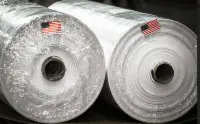
- Can they produce sheet, roll, molded parts, and uncured compound?
6. Lead Times & Responsiveness
- Can they support prototypes, low‑volume runs, and production scale?
7. Technical Support
- Do they help you select the right grade based on environment, fluids, and failure modes?
8. Consistency
- Are durometer, tensile, elongation, and compression‑set values consistent across batches?
9. Customization
- Can they adjust durometer, color, or cure system?
10. Documentation
- Do they provide certs, test reports, and compliance statements?
11. Supply Chain Stability
- Are materials Made in USA?
- Do they control their own compounding?
12. Application Understanding
- Do they ask about temperature, fluids, load, geometry, and regulatory constraints?
ElastaPro is the Silicone Company You Need
ElastaPro combines U.S.‑made silicone, in‑house compounding, and AS9100D‑level quality to support aerospace, medical, industrial, and high‑performance applications. Whether you need AMS‑grade sheet, FDA‑compliant materials, or fuel‑resistant fluorosilicone, we deliver consistent, traceable, engineering‑grade silicone built for demanding environments.