-
What Are USP Class VI Requirements?

In industries where patient safety, biocompatibility, and contamination control are non‑negotiable, USP Class VI Requirements serve as one of the most trusted benchmarks for material qualification. Medical device manufacturers, pharmaceutical processors, and biotech equipment builders rely on this standard to ensure that elastomers, plastics, and rubber components can safely contact drugs, biological media, and sensitive fluids without leaching harmful substances. For companies sourcing high‑performance rubber components, understanding USP Class VI Requirements is essential for selecting materials that meet regulatory expectations and withstand demanding sterilization and processing environments.
What USP Class VI Requirements Actually Test
USP Class VI Requirements come from the United States Pharmacopeia (USP) and define a series of biological tests that evaluate how a material interacts with living tissue and biological systems. To earn USP Class VI certification, a material must pass three core evaluations:
- Systemic Toxicity — Ensures the material does not release chemicals that cause harmful biological reactions when introduced into the body.
- Intracutaneous Reactivity — Confirms that extracts from the material do not cause irritation or inflammation when injected into skin tissue.
- Implantation Testing — Demonstrates that the material remains stable and non‑reactive when implanted in living tissue for a defined period.
These tests are performed using material extracts in multiple solvents (polar and non‑polar) to simulate real‑world exposure conditions. Passing USP Class VI testing indicates that the material is safe for direct or indirect contact with biological systems.
Why Manufacturers Choose USP Class VI Materials
For medical and pharmaceutical applications, USP Class VI compliance is often a baseline requirement. Materials that meet this standard offer:
- High biocompatibility for medical devices, tubing, gaskets, and seals
- Low extractables and leachables, reducing contamination risk
- Compatibility with sterilization methods such as autoclave, gamma radiation, and ethylene oxide
- Regulatory confidence, supporting FDA submissions and quality audits
ElastaPro’s silicone and fluorosilicone materials are engineered to meet or exceed USP Class VI Requirements, giving OEMs a reliable path to compliance.
USP Class VI vs. Other Biocompatibility Standards
While USP Class VI is widely recognized, it is not the only biocompatibility benchmark. ISO 10993, for example, is a more comprehensive standard used globally for medical device approval. However, USP Class VI remains popular because it is:
- Faster to test
- Cost‑effective
- Well‑established in pharmaceutical and biotech environments
Many manufacturers use USP Class VI as an initial screening tool before pursuing broader ISO 10993 testing.
Applications for USP Class VI Materials
Materials that meet USP Class VI Requirements are commonly used in:
- Medical device housings, seals, and valves
- Pharmaceutical processing equipment
- Bioreactors and single‑use systems
- Drug transfer and dispensing components
- Food and beverage processing equipment requiring high purity
Silicone and fluorosilicone elastomers are especially valued for their stability, flexibility, and resistance to chemicals and sterilization cycles.
How ElastaPro Supports USP Class VI Compliance
ElastaPro supplies a wide range of silicone and fluorosilicone materials engineered to meet USP Class VI Requirements. Our capabilities include:
- Custom compounding for specialized purity, durometer, or performance needs
- Precision molding and extrusion for medical‑grade seals and components
- Material traceability and documentation to support regulatory submissions
- Rapid prototyping for development and validation cycles
Whether you need sheet stock, molded parts, or custom‑engineered sealing solutions, ElastaPro delivers materials that meet stringent biocompatibility and purity standards.
Conclusion
Understanding USP Class VI Requirements is essential for any manufacturer working in medical, pharmaceutical, or biotech environments. These tests ensure that materials are safe, stable, and suitable for contact with sensitive biological systems. By choosing USP Class VI‑compliant silicone and fluorosilicone materials from ElastaPro, OEMs gain confidence in regulatory compliance, product safety, and long‑term performance.
FAQs: USP Class VI Requirements
What are USP Class VI Requirements?
USP Class VI Requirements are a set of biocompatibility tests defined by the United States Pharmacopeia. They evaluate systemic toxicity, intracutaneous reactivity, and implantation safety to ensure materials are suitable for medical and pharmaceutical use.
Why are USP Class VI Requirements important for medical devices?
They confirm that materials will not leach harmful chemicals, cause irritation, or trigger adverse biological reactions. This makes USP Class VI‑compliant materials ideal for seals, gaskets, tubing, and components used in patient‑contact or drug‑contact environments.
How do USP Class VI Requirements compare to ISO 10993?
USP Class VI is a narrower, faster, and more cost‑effective biocompatibility standard. ISO 10993 is broader and more comprehensive. Many manufacturers use USP Class VI as an initial qualification step before pursuing ISO 10993 testing.
What materials can meet USP Class VI Requirements?
Silicone, fluorosilicone, thermoplastics, and various medical‑grade elastomers can be formulated to meet USP Class VI Requirements. ElastaPro offers custom compounds designed specifically for high‑purity and biocompatible applications.
Do USP Class VI materials withstand sterilization?
Yes. Most USP Class VI‑compliant silicones and fluorosilicones tolerate autoclave, gamma radiation, and ethylene oxide sterilization without degrading or leaching contaminants.
Where are USP Class VI materials used?
They are commonly used in medical devices, pharmaceutical processing equipment, bioreactors, drug transfer systems, and high‑purity food and beverage applications.
Does ElastaPro offer USP Class VI‑compliant silicone and fluorosilicone?
Absolutely. ElastaPro supplies molded parts, extrusions, sheet stock, and custom compounds engineered to meet USP Class VI Requirements, complete with documentation for regulatory submissions.
-
Silicone Lead Times and MOQs
Have you tried to buy silicones lately? These days it seems like everything is in short supply, including good news.
Some of what you need to buy isn’t available, and what you can get takes too long to arrive or ties up too much cash because of high minimum order quantities (MOQs). Meanwhile, the requirements you’re expected to meet keep getting stricter.
Fortunately, doing business with ElastaPro is about flexibility when you need to buy silicones. For stocked items, our lead times are typically as short as one to three days. For most made-to-order products, our lead times are two weeks. Plus, ElastaPro offers very low MOQs for all of our products.
Whether you need solid silicone sheets, uncured silicone compounds, or specifications-grade silicones, you’ll get high-quality materials backed by exceptional service and superior technology. The materials you need are proudly Made in the USA, too.
Buy Silicones from ElastaPro
At a time when supply chains are constricted, many suppliers seem rigid. That’s not the case with ElastaPro. Find out how how our flexibility can help you.
-
Silicone Expo 2022: ElastaPro to Attend
ElastaPro is pleased to announce that we will attend Silicone Expo, the world’s first free-to-attend commercial tradeshow and conference for the silicone industry.
This in-person event is scheduled for June 21 to 23, 2022 at the TCF Center in Detroit, Michigan. As a member of the Silicone Expo Board of Advisors, I hope you can join us.Whether you’re a material supplier, a converter or fabricator, or a manufacturer that buys silicone products, you’ll gain access to:
- 180+ exhibitors
- two conference tracks
- 65+ speakers
- over 3500 buyers
ElastaPro is thrilled to be a part of this event and can’t think of a better way to bring to bring together suppliers, specifiers, and fabricators for this all-encompassing event.
From thermal management and light weighting to electrification and healthcare, silicones are part of today’s technologies and part of the solution to tomorrow’s challenges.See You at Silicone Expo?
It would be great to see you in-person at the show. You can book a booth here.
-
Silicone Supplies: Predicting What Tomorrow Will Be
The car is packed. The trip to the beach is planned. The forecast was for clearing skies, but there’s rain on the windshield and gray skies up ahead. Why can’t they just predict the weather more accurately?
Rainstorms and Supply Chains
When ElastaPro first reported about silicone shortages in our March 2021 newsletter, we’d hoped that silicone rubber supply would stabilize during Q3 2021. As with so many forecasts, however, our prediction missed the mark – and the rain continues.
By now, we’ve all heard reports about how major silicone suppliers have put customers on allocation or become super-selective about taking on new business. There’s news about rising prices and longer lead times, too.
With the way things are looking, this “storm” will probably last until early 2022. So, what’s the latest version of the big picture, and what can we learn from the revised forecast?
What’s Behind the Bad Weather?
For starters, it’s important to understand that the current crisis is global in nature – and rather different than the supply shortage of 2018. Back then, the key factor was a shortage in Polydimethylsiloxane (PDMS) – the basic building block of silicone products. This was a result of some of these PDMS plants being taken offline due to maintenance or environmental concerns (primarily affecting the Chinese producers of PDMS). What’s changed in 2021 is less of an issue with PDMS and more in terms of people and ancillary products to convert the PDMS into elastomers and other key silicone products we all use. The Major Producers continue to struggle with catching up on their backlogs due to staffing, logistics, or shortages of ancillary and supporting products.
Additionally, one of China’s largest basic suppliers of silicon metal and downstream silicone products is banned from selling into the U.S. and the EU. Even if you don’t buy directly from this company, you possibly use its intermediates in products that you purchase from other suppliers. Again, this is making things tough.
Weathering the Storm with You
ElastaPro continues to work aggressively to assure the continued supply of silicone elastomers and ancillary products to our customers. We’re also doing all we can to reduce the costs in our processes so that we can offset rapidly increasing prices for raw materials.
Although we’ve had to increase our prices, the percentage of these increases has been well below what we are seeing in our raw materials. Moreover, we continue to maintain a two-week lead time on most made-to-order products. We’re also continuing to stock key silicone sheet materials for quick one-day turnarounds.
Look to the Long-Term Forecast
Our commitment to service goes well beyond wanting to provide you, our customer and partner, with the best quality and value in silicone sheeting and silicone compounds. We are also ensuring that we are doing all that we can to maintain a viable supply chain with quick turnaround times to provide the very best service to you.
We’ll get through this together – and sooner than later, we hope. It might not seem like it now, but sometimes storm leave behind rainbows.
Thank you for your continued support.
-
Molded Silicone Sheets with Quick Deliveries
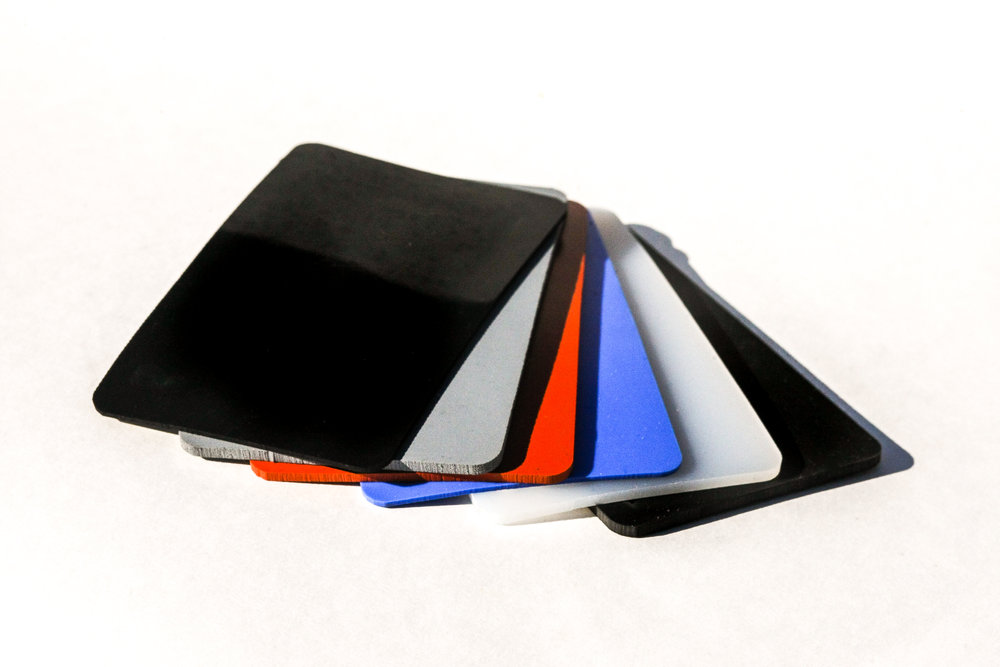
ElastaPro is ready to supply you with solid silicone sheeting even if you need just a few yards of material. Our molded silicone sheets are made from high-quality ingredients and free from the curving that’s associated with roll stock. We offer quick turnarounds, too.
Molded Silicone Sheets
Check out these specs and let us know what you need:
- Standard sheet size: 36″ x 36″
- Durometer: 30 to 80 (Shore A)
- Thickness: .250″ to 1″
- Formulation: VMQ, PVMQ, or FVMQ
- Specification Grades: FDA, UL, medical, electrically conductive
- Commercial Grades: Available
- Colors: Red, black, gray, or blue
Made in USA Silicone Sheeting
In these uncertain times, ElastaPro has the capabilities and flexibility to provide what you need when you need it. All of our silicone products are Made in the USA by a team that’s committed to bringing you the greatest value and finest customer experience.
SUBSCRIBE
Sign-up for our monthly newsletter and get silicone news you can use right in your email inbox.