
BfR XV vs. FDA 21 CFR 177.2600: A Technical Comparison for Food-Grade Silicone
When specifying silicone elastomers for food contact applications, understanding the differences between European (BfR Recommendation XV) and U.S. (FDA 21

When specifying silicone elastomers for food contact applications, understanding the differences between European (BfR Recommendation XV) and U.S. (FDA 21

For decades, USP Class VI has been a benchmark for material safety among medical device and component manufacturers. This standard
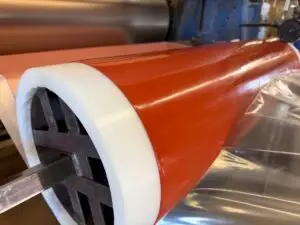
Selecting the right silicone company isn’t just about price or lead time — it’s about whether the material you receive

Buying silicone sheeting and uncured compound might seem like a low-risk activity, even when you’re purchasing spec-grade materials. A silicone

Medical silicone sheeting plays a critical role in healthcare applications that require performance, stability, and biocompatibility under demanding conditions. Unlike

Medical grade silicones from ElastaPro are used for sealing and gasketing in medical devices and equipment. These platinum-cured materials meet

Conductive silicone sheet is a specialized elastomeric material designed to combine the flexibility and environmental resistance of silicone rubber with
ElastaPro makes low outgassing silicones that meet ASTM E595 requirements and are specially formulated and processed to minimize the release
Electrically conductive silicone is a specialized material designed to transmit electrical currents while maintaining the flexibility and durability of traditional

Silicone is a versatile synthetic material composed primarily of silicon, oxygen, carbon, and hydrogen. Its non-reactive nature makes it suitable

The energy sector depends on materials that perform reliably under extreme temperatures, mechanical stress, chemical exposure, and long service cycles.