-
Aerospace Silicones
ElastaPro makes aerospace silicones that meet customer callouts and military, civilian, and industry standards. These specification grade silicones are available as solid silicone sheet and uncured silicone compound. Solid silicone sheets arrive ready for die cutting and come in thicknesses ranging from .010” to .500” and widths up to 60”. Uncured silicone compound can be molded, extruded, or calendered.
ElastaPro manufactures aerospace silicones in accordance with our AS9100D and ISO 9001:2015 certified quality management system (QMS) at our Made in USA manufacturing facility in Santa Fe Springs, California. We are committed to meeting the highest quality standards and to supplying high-performance materials with the speed and value you deserve.
What are Aerospace Silicones?
Aerospace silicones are formulated to withstand the extreme conditions of aviation, aeronautics, and space. They differ from commercial grade and general purpose silicones in their enhanced properties such as high and low temperature resistance, durability, and low outgassing characteristics.
There are other silicone materials that can meet the rigors of extreme environments, but aerospace silicones also meet specifications from the U.S. military, civilian standards organizations, and/or original equipment manufacturers (OEMs). Some aerospace silicones are also military silicones, but not all military silicones are used in aerospace applications.
Types of Aerospace Silicones
ElastaPro makes aerospace silicones that meet the following specifications.
- A-A-55759
- A-A-59588
- AMS
- ASTM E595
- BMS
- DMS
- LMA
- MIL-DTL-25988
- MIL-PRF-81322
- MIL-SD-417
- PWA
- SAE
- WS14644
A-A-55759 Silicones
A-A-55759 silicones meet the requirements of alphanumeric classes within A-A-595750, a defense and aerospace specification from the U.S. General Services Administration (GSA) that is sometimes written as AA 59759, AA55759, or A A 55759. A-A-55759 has replaced ZZR765 (ZZ-R-75), which is still found on some part drawings.
ElastaPro makes the following types of A-A-55759 silicones.
- A-A-55759 1A
- A-A-55759 1B
- A-A-55759 3A
- A-A-55759 3B
A-A-59588 Silicones
A-A-59588 silicones meet the requirements of alphanumeric classes within A-A-59588, a defense and aerospace specification published by the U.S. General Services Administration (GSA) that is sometimes written as MIL SPEC AA-59588, AA 59588, AA59588, or A A 59588. This standard has replaced ZZR765 (ZZ-R-75), which is still found on some part drawings.
ElastaPro makes the following types of A-A-59588 silicones.
- A-A-59588 1A
- A-A-59588 1B
- A-A-59588 2A/2B
- A-A-59588 3A
- A-A-59588 3B
AMS Silicones
AMS silicones meet Aerospace Material Specifications (AMS) from SAE International. AMS standards are not military standards, but some military applications reference these civilian aerospace standards. In addition to material properties, AMS specifications cover manufacturing processes and testing procedures. They also include requirements for material selection and quality control.
ElastaPro makes the following types of AMS silicones and fluorosilicones.
- AMS3325
- AMS3326
- AMS3327
- AMS3332
- AMS3334
- AMS3335
- AMS3336
- AMS3337
- AMS3338
- AMS3345
- AMS3348
- AMS3349
- AMS3356
- AMS3357
- AMS3301
- AMS3302
- AMS3303
- AMS3304
- AMS3315
ASTM E595 Silicones
ASTM E595 silicones meet the low outgassing requirements in ASTM E595, which forms the basis of NASA’s low outgassing standard. These specification grade silicones have a total mass loss (TML) of ≤1.00% and a Collected Volatile Condensable Material (CVCM) of ≤0.10%. ElastaPro makes ASTM E595 silicones in 40, 50, 60, and 70 durometer (Shore A).
BMS Silicones
BMS silicones meet requirements in Boeing Material Specifications (BMS). The Boeing Company developed this set of standards to ensure that silicones and other materials meet specific performance and quality requirements for Boeing aircraft.
ElastaPro supplies BMS silicones that meet these specific standards.
DMS Silicones
DMS silicones meet Douglas Material Specification (DMS) requirements, which are now managed by The Boeing Company. Douglas developed these requirements to achieve efficient and cost-effective aircraft production through integrated processes, supplier compliance, quality management, and supply chain management.
Contact ElastaPro for DMS silicones.
LMA Silicones
LMA silicones meet Lockheed Martin Aeronautics (LMA) requirements. Lockheed Martin Aeronautics is a division of Lockheed Martin Corporation that focuses on the design, development, production, and sustainment of military aircraft. LMA maintains detailed specifications that define the required properties, testing methods, and quality control procedures for each material used.
ElastaPro makes silicones that meet LMA-ME025 and LMA-STM requirements.
MIL-DTL-25988 Fluorosilicones (AMSR-25988)
MIL-DTL-25988 fluorosilicones meet the requirements of a U.S. military detail (DTL) specification for fluorosilicone (FVMQ) elastomers that resist fuel and oil and are used in aerospace applications. MIL-DTL-25988 classifies materials into types, classes and grades based on properties such as tensile strength, elongation, and hardness.
AMSR25988, an SAE International specification, supercedes MIL-DTL-25988; however, MIL-DTL-25988 is still found on part drawings. AMSR25988 and MIL-DTL-25988 both supercede the MILR-25988 standard, which is sometimes written as MIL-R-25988. Applications for MIL-DTL-25988 fluorosilicones include O-rings, molded parts, sheets, strips, and extruded shapes.
Contact ElastaPro for MIL-DTL-25988 fluorosilicones.
MIL-PRF-81322 Silicones
MIL-PRF-81322 silicones conform to a U.S. Department of Defense performance specification (PRF) for aircraft turbine engine lubricating oils. MIL-PRF-81322 does not focus specifically on silicone, but some lubricants contain silicone-based additives. Silicones contribute to a lubricant’s ability to withstand the high temperatures from turbine engines.
Contact ElastaPro for MIL-PRF-81322 silicones.
MIL-STD-417 Silicones
MIL-STD-417 silicones conform to a U.S. Department of Defense standard (STD) that defines a classification system and test standard for solid elastomeric materials (vulcanized rubber compounds). Material designations under this standard begin with the letter TA and are followed by a three-digit numeric identifier.
ElastaPro makes MIL-STD-417 silicones rangng from TA 405 to TA 810.
PWA Silicones
PWA silicones meet Pratt & Whitney requirements. Pratt Whitney, a division of RTX, designs and builds engines that are used aboard military and civilian aircraft. Compliant silicones must conform to AMS standards, military specifications, and other industry standards in addition to Pratt & Whitney’s internal requirements.
Contact ElastaPro for PWA silicones.
SAE Silicones
SAE silicones meet specific standards from SAE International. AMS silicones and AMS-R-25988 silicones meet SAE standards, but there are other standards that affect silicones as well. For example, SAE-J20 covers silicone rubber that’s used in coolant hoses. TS147 covers silicone that used in loop-style clamp assemblies.
In addition to AMS and AMSR-25988 silicones, ElastaPro makes SAE-J20 and TS147 silicones.
WS14644 Silicones
WS14644 silicones are used in but not limited to aerospace applications. They meet the requirements of a U.S. Department of Navy specification that establishes requirements for vulcanized electrically conductive rubber compounds. WS14644 contains three types of materials and is sometimes listed on older part drawings.
ElastaPro makes Type III WS14644 silicones that are filled with carbon black and provide high conductivity.
Ask ElastaPro for Aerospace Silicones
ElastaPro makes specification grade aerospace silicones and supplies these materials as solid silicone sheet and uncured silicone compound. We provide a Certificate of Analysis (COA) with each batch for traceability. Contact us to request a quote, discuss your applications, or receive additional information about how we serve the aerospace industry.
-
USP Class VI Sealing Products: Seven Types
USP Class VI sealing products encompass a broad spectrum of geometries, materials, and manufacturing approaches. From simple O-rings and gaskets to complex diaphragms, valve seats, and custom molded parts, these seals play a critical role in ensuring product safety, regulatory compliance, and reliable performance in high-purity environments. Engineers selecting these seals must carefully evaluate sterilization resistance, chemical compatibility, and extractables, all while aligning with industry-specific regulatory frameworks.
ElastaPro makes USP Class VI silicone materials as solid silicone sheet and uncured silicone compound. For service, quality, value and speed, contact ElastaPro.
Types of USP Class VI Sealing Products
There are seven major types of USP Class VI sealing products.
- O-rings
- Gaskets
- Diaphragms
- Sealing Profiles and Extrusions
- Sanitary Seals and Tri-Clamp Gaskets
- Custom Molded Sheets
- Valve Seats and Sealing Components
The following sections describe them.
1. O-Rings
O-rings are the most common and versatile USP Class VI sealing products used in biomedical and pharmaceutical equipment.
-
Materials: USP Class VI–certified elastomers such as silicone, fluorosilicone, EPDM (ethylene propylene diene monomer), and FKM (fluoroelastomer). Silicone and EPDM are especially common due to their chemical resistance and cleanroom compatibility.
-
Applications: O-rings are used in syringe pumps, bioreactors, peristaltic pumps, chromatography systems, and aseptic connectors. Their circular geometry provides uniform compression and reliable sealing even under pressure cycling.
-
Key Benefits: Ease of installation, broad chemical compatibility, and resistance to sterilization methods such as autoclaving, gamma irradiation, and ethylene oxide (EtO) treatment.
2. Gaskets
Gaskets provide flat sealing between two rigid surfaces, typically flanges.
-
Materials: USP Class VI silicone sheets, PTFE (polytetrafluoroethylene) composites, and perfluoroelastomers (FFKM). PTFE-encapsulated silicone gaskets are often specified when chemical resistance and biocompatibility are both required.
-
Applications: Sterile process piping, pharmaceutical mixing tanks, bioprocessing skids, and clean-in-place (CIP) systems. In these environments, gaskets prevent contamination and maintain sterile boundaries.
-
Key Benefits: Large sealing surface, customizable geometry, and high resistance to process fluids ranging from solvents to biological media.
3. Diaphragms
Diaphragms are flexible membranes that separate two environments while allowing pressure or mechanical force to be transmitted.
-
Materials: USP Class VI–approved silicone, EPDM, or PTFE-lined elastomers. Some diaphragms are multilayer composites that combine flexibility with chemical inertness.
-
Applications: Diaphragm valves, pump heads, and pressure regulators in biopharmaceutical systems. They are especially critical in applications where sterility and purity must be maintained without direct fluid leakage.
-
Key Benefits: Smooth, crevice-free geometry that reduces bacterial entrapment; compatibility with sterilization; and long fatigue life under cyclic loading.
4. Sealing Profiles and Extrusions
Custom sealing profiles, sometimes referred to as extruded seals, are widely used in pharmaceutical isolators, medical enclosures, and sterile filling equipment.
-
Materials: USP Class VI silicone rubber is the dominant choice due to its flexibility, clarity (in translucent grades), and resistance to repeated sterilization. Thermoplastic elastomers (TPEs) are also used in some extrusion profiles.
-
Applications: Door seals in cleanrooms, chamber gaskets for lyophilizers, and perimeter seals for glove boxes. They maintain controlled atmospheres and prevent ingress of contaminants.
-
Key Benefits: Continuous lengths with minimal splicing, availability in bulb, U-channel, and custom geometries, and low compression set for long-term sealing.
5. Sanitary Seals and Tri-Clamp Gaskets
Sanitary seals are standardized USP Class VI sealing products used with hygienic fittings in biopharma and food processing.
-
Materials: USP Class VI silicone, EPDM, FKM, and PTFE. Some manufacturers also provide platinum-cured silicone versions, which reduce extractables compared to peroxide-cured variants.
-
Applications: Tri-clamp gaskets seal the joints in stainless-steel sanitary tubing systems. They are indispensable in dairy processing, vaccine production, and parenteral drug manufacturing.
-
Key Benefits: Easy assembly and disassembly for cleaning, compliance with both USP Class VI and FDA CFR 21, and surface finishes optimized for cleanability.
6. Custom Molded Seals
Not all sealing requirements can be met with standard geometries. Custom molded USP Class VI sealing products allow engineers to create shapes tailored to specific equipment.
-
Materials: USP Class VI elastomers including silicone, EPDM, and perfluoroelastomers. These can be compounded to balance mechanical properties with biocompatibility.
-
Applications: Seals for implantable devices, diagnostic cartridges, microfluidic platforms, and drug delivery systems. Custom seals often support innovations in life sciences where unique geometries are required.
-
Key Benefits: Optimized sealing performance, integration with device architecture, and scalability for high-volume production.
7. Valve Seats and Sealing Components
Beyond diaphragms, valve systems often require additional USP Class VI–compliant sealing parts such as valve seats, poppets, and bellows.
-
Materials: PTFE, perfluoroelastomers, or high-purity silicone. Material selection depends on chemical exposure and mechanical requirements.
-
Applications: Aseptic sampling valves, pinch valves, and dosing systems in sterile pharmaceutical manufacturing.
-
Key Benefits: High wear resistance, low extractables, and reliable sealing under dynamic movement and pressure cycling.
Do you need USP Class VI silicones to fabricate products like these ? Contact ElastaPro.
-
Silicone Colors: The Most Popular Choices for Silicone Sheet
Silicone colors are available in many pigments. Here are some of the choices that ElastaPro offers.- Black
- White
- Red
- Blu
- Orange
- Gray
- Clear
- Transparent
- Translucent
Contact us for more information, including custom silicone colors!
Black Silicone Sheet
Black silicone sheet is used for a variety of applications due to their durability, heat resistance, and flexibility, including electrical insulation, sealing and gaskets, heat-resistant surfaces, and vibration dampening. Black silicone sheets are also used in industrial processes, construction, and for some medical or food-grade applications. The specific color black is often used for high-performance applications in automotive and construction because it can signal enhanced properties like UV stability or oil resistance.White Silicone Sheet
White silicone sheets are used for a wide range of applications, including in the food industry for baking mats and conveyor belts, in medical settings for device seals and protective covers, in home appliances for insulation, and in various industrial applications for gaskets, seals, and insulation due to its non-toxicity, flexibility, and resistance to extreme temperatures. Aesthetically, white silicone is often chosen for its clean appearance in kitchens, bathrooms, and for sealing glass curtain walls in construction.
Red Silicone Sheet
Blue Silicone Sheet
Orange Silicone Sheet
Gray Silicone Sheet
Clear Silicone Sheet
Clear silicone sheet is used in applications like gaskets, seals, and medical device components where both high-temperature resistance and visibility are required, such as in medical, pharmaceutical, and food processing industries, as well as medical applications and some consumer products like placemats or craft mats. They are also chosen for their cosmetic appeal in handheld device gaskets, architectural lighting, and as heat-resistant, non-stick surfaces for crafting and electronics.Transparent Silicone Sheet
Transparent silicone sheets are used in applications requiring high-temperature resistance, chemical inertness, biocompatibility, and visibility, such as in medical and food processing equipment, electronic device seals and protective covers, and high-temperature industrial gaskets. Transparent silicone rubber is chosen when a non-marking, durable, flexible, and see-through material is needed for aesthetic or functional purposes in sectors including electronics, aerospace, and automotive.Translucent Silicone Sheet
Translucent silicone is a type of silicone rubber that allows some light to pass through it, but without being completely clear or transparent. It can be made “near-clear” by using high-purity materials, or it can have a slightly opaque, milky appearance due to a small amount of white pigment, which helps hide imperfections like gaps and lines. Translucent silicone sheet is versatile, and its applications include gaskets for industries ranging from food and medical to automotive and construction. -
Electrically Conductive Silicones for Advanced Electronics
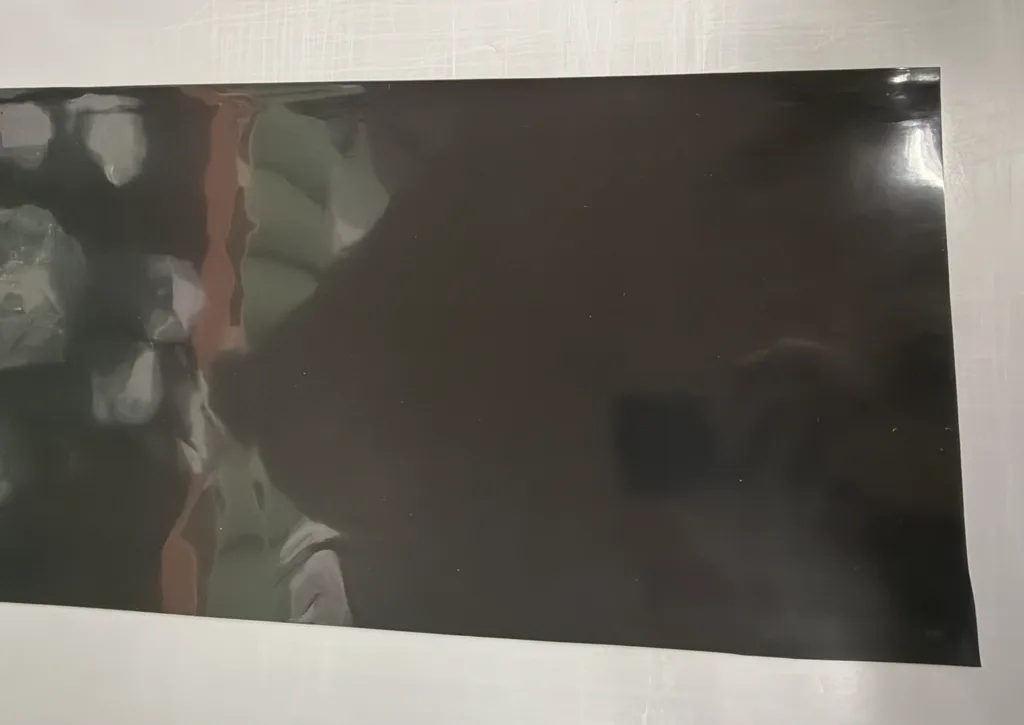
Electrically conductive silicone is a specialized material designed to transmit electrical currents while maintaining the flexibility and durability of traditional silicone. This unique combination makes it indispensable in modern electronics and engineering, where it serves crucial roles in shielding, dissipation, and ensuring reliable connections in circuits. As technology advances, it emerges as a vital material due to its resilience.
This article explores the role of this conductive silicone in modern electronics and its crucial applications in enhancing device efficiency.
Essential Role of Electrically Conductive Silicone in Electronic Devices
Electrically conductive silicone enhances the performance and reliability of electronic devices due to its unique properties. Here are some of its key roles:
EMI and RFI Shielding
Conductive silicone is often used to shield electronic devices from electromagnetic interference (EMI) and radio frequency interference (RFI). This is essential in preventing interference between different components within a device, which can cause malfunctions. The silicone’s conductive fillers (silver or carbon particles) create a barrier that absorbs and reflects electromagnetic waves to protect sensitive components.
Thermal Shielding
Some conductive silicones are designed to effectively dissipate heat. Such dual functionality can protect components from electrical and thermal stresses, improving the device’s overall durability and lifespan.
Static Discharge Protection
This silicone can safely dissipate static electricity and is particularly important in environments where static buildup can damage delicate electronic components. By providing a reliable path to ground, conductive silicone helps prevent electrostatic discharge (ESD), which can cause sudden and catastrophic failure of electronic circuits.
Reliable Electrical Connections
Electrically conductive silicone can create secure and consistent electrical pathways between device parts. It guarantees that grounding is effective and reliable over long periods, even under varying environmental conditions.
Flexible Circuitry and Connections
Conductive silicone is often used in flexible circuits and wearable electronics where traditional metallic connections are impractical. Its ability to maintain conductivity while stretched, compressed, or bent allows for innovative designs in modern electronics.
Sealing and Bonding
This type of silicone can seal and bond components while providing an electrical connection. Such dual-purpose functionality is especially valuable in compact devices with limited space.
Key Applications
The following applications demonstrate how conductive silicone is crucial in advancing modern electronics and engineering:
- Thermal interface materials (TIMs): Conductive silicone can be used in thermal pads and gap fillers to enhance heat dissipation between electronic components and heat sinks to ensure proper cooling.
- Printed circuits and flexible conductors: This material is used in flexible printed circuit boards (PCBs) and other flexible electronics, which enables the development of bendable and stretchable electronic devices.
- Pressure and touch sensors: Conductive silicone is used in sensors that detect pressure or touch, making it useful in touchscreens and wearable electronics.
- Conductive keypads: The material is often utilized to construct keypads and switches, where its conductive properties allow the closing of electrical circuits when pressed.
- Electrical contacts and seals: In batteries and fuel cells, conductive silicone creates seals and connections that maintain electrical conductivity while withstanding harsh environmental conditions.
- Biomedical sensors: Conductive silicone is used in medical devices for sensors and electrodes due to its biocompatibility, which allows the devices to conform to the body’s shape.
- Flexible wearable electronics: This material is essential in wearable devices like smartwatches and fitness trackers, providing electrical connectivity while maintaining comfort.
Choose ElastaPro Silicone Sheeting for Top-Notch Conductive Solutions!
At ElastaPro Silicone Sheeting, we provide electrically conductive silicone with unmatched precision. Our advanced solid silicone materials are also engineered into elastomeric shielding, offering exceptional resistance against EMI and RFI. With our superior components, you can ensure reliable electrical grounding, effective shielding, and enhanced conductivity!
Contact us today for innovative conductive silicones that bring reliability and excellence to your projects.
-
Calendered Silicone FAQs
There are three primary methods to fabric silicone rubber products; molding, extrusion and calendering. Calendering plays a pivotal role in creating high-quality silicone products for gaskets, seals, o-rings and a variety of other products with various geometries and configurations. This manufacturing process involves passing raw silicone through a series of rollers under high pressure with a specific gap to establish the thickness of the sheet. The result is a silicone sheet with uniform thickness and smooth surface finish, suitable for various applications.
This blog will delve into the intricacies of calendered silicone, from its production process to its many applications.
What is Silicone Calendering?
The process begins with raw silicone polymer, typically in the form of a gum or compound where additional ingredients are added to the material to meet key specifications . The silicone is performed for loading into the calendar.
Next, the silicone is fed into a calendering machine, where it passes through multiple rollers to control the thickness and surface characteristics of the silicone. Once the calendering process is complete, the silicone sheet may undergo a curing and post cure process or be supplied to fabricators in an uncured format. Cured silicone sheet may receive further treatment such as Pressure Sensitive Adhesive Application and slitting or cutting into specific dimensions based on customer requirements.
Quality control measures are implemented throughout the calendering process to monitor thickness, surface finish, and other relevant parameters. This ensures that the resulting silicone sheets meet the required specifications and quality standards. The silicone sheets are then packaged and prepared for distribution.
What are the Benefits of Calendered Silicone?
Here are some of the advantages of this silicone material:
- Flexible: Calendered silicone can bend, stretch, and adapt to various shapes without losing its integrity.
- Temperature-resilient: This silicone material maintains its properties across a wide temperature range from extreme cold to high heat making it suitable for diverse environments.
- Chemical-resistant: Calendered silicone exhibits resistance to various chemicals, oils, and solvents. This is why it is often used in applications where exposure to these substances is common.
- Weatherproof: Resisting weathering and UV radiation makes this silicone ideal for outdoor applications. It can endure exposure to sunlight and weather conditions without significant degradation.
- Biocompatible: This type of silicone is well-tolerated by the human body, making it suitable for various applications in the medical field.
- Customizable: Manufacturers can tailor calendered silicone sheets to meet specific requirements. This enhances its applicability in various industries and niche applications.
What are Some Applications for Calendered Silicone?
Thanks to its unique properties and benefits, calendered silicone finds diverse applications across various industries:
- Automotive seals and gaskets: This type of silicone is ideal for seals and gaskets in vehicle components due to its resistance to heat and chemicals, or for thermal management in Electric Vehicles.
- Electrical insulation: Thanks to its excellent dielectric properties, calendered silicone insulates wires, cables, and electronic components.
- Flexible printed circuit boards (PCBs): This material can be used for flexible PCBs for electronic devices, allowing for versatile and bendable electronic components.
- Medical devices: Calendered silicone is utilized in medical equipment and devices for its biocompatibility, flexibility, and resistance to sterilization methods.
- Solar panel encapsulation: This silicone material is commonly applied in the encapsulation of solar panels to protect them from environmental factors and enhance their durability.
- Textile coating:Calendered silicone can be applied as a coating on textiles to make them resistant to water, heat, and chemicals.
- Weatherstripping: This material is typically used to manufacture weather stripping for doors and windows, providing insulation and protection against the elements.
ElastaPro: Your First Choice in Silicone Sheet Solutions
ElastaPro Silicone Sheeting is your go-to source for premium silicone products! Our company is founded by seasoned veterans in the silicone industry. Moreover, we boast decades of experience, high precision equipment, and proprietary manufacturing techniques. We offer US-made, high-quality products from calendered silicone sheets to uncured silicone compounds in standard and customized options.
Contact us today to explore our premium solutions!
-
Silicone Specifications and Their Applications
Silicone is a versatile synthetic material composed primarily of silicon, oxygen, carbon, and hydrogen. Its non-reactive nature makes it suitable for diverse applications, including sealants, lubricants, and medical implants. Moreover, its exceptional thermal stability allows it to withstand temperature variations, from freezing to high-temperature industrial processes.
Due to its versatility, silicone comes in different specifications tailored to meet diverse industry requirements. These variations in material formulations allow for customization based on hardness, flexibility, and chemical resistance. Below are some of its most common specifications and their respective applications:
Military Specifications
Here are examples of widely-used silicone mil-specifications:
MIL-DTL-25988
The MIL-DTL-25988 specification is structured to define the parameters and characteristics of fluorosilicone (FVMQ) materials, emphasizing their intended use in aerospace applications. It classifies the materials into various classes, considering factors like tensile strength, elongation, and durometer hardness. It also guarantees that the fluorosilicone meets stringent standards, providing reliability, durability, and performance across military conditions.
MIL-DTL-83528
The MIL-DTL-83528 criterion outlines the specifications for electrically conductive rubber and fluorosilicone gaskets. These products are intended to offer protection against electromagnetic interference (EMI) and radio frequency interference (RFI). They are essential components in instances where shielding against such disruption is required to ensure electronic systems’ integrity and effective operation.
Aviation Specifications
While no specific overarching aviation specifications exist exclusively for silicone, various standards may reference or incorporate silicone-based materials. Here are a few examples:
Lockheed STM23
Lockheed STM23 specifications cover a wide range of silicone chemistry for various mission-critical requirements. Materials such as high-strength VMQ, PVMQ, and FVMQ are used with the Lockhead STM23 specifications. ElastaPro has many materials that meet these requirements.
MIL-PRF-81322
The MIL-PRF-81322 specification outlines general requirements for aircraft turbine engine lubricating oils. It does not specifically focus on silicone, but some lubricants that meet this specification may contain silicone-based additives. These compounds known for their thermal stability and oxidation resistance contribute to the lubricants ability to withstand high temperatures within turbine engines.
AMS
The AMS criterion specifies silicone rubber for use in high-temperature aviation engine seals and gaskets. The material is designed to withstand the extreme conditions encountered in aircraft engines, like elevated temperatures and exposure to aviation fuels. In addition, silicone rubber in various aerospace applications contributes to effective sealing and long-term durability. ElastaPro offers certified materials meeting stringent standards, including 3302, 3303, 3304, 3305, 3315, 3320, 33345, 3337, 3346, 3325, 3332, 3326, 3348, and 3348.
Boeing Material Specifications
Boeing typically employs various industry and international standards for materials. ElastaPro works with key requests such as BMS 1-52, 1-76, 1-57, 1-73 and 1-73.
BMS Solid Silicone Sheet
BMS solid silicone sheets are engineered to meet stringent standards for flexibility, durability, and high resistance to environmental factors. This makes them suitable for diverse aircraft components. They are also utilized in gaskets, seals, and insulation applications, providing reliable performance in challenging aerospace environments.
At ElastaPro Silicone Sheeting, these sheets arrive ready for die-cutting. They are between 0.010” and 0.500” thick and available in widths of up to 60”.
BMS Uncured Silicone Compound
The BMS sets stringent standards for uncured silicone compounds’ right chemical composition and physical properties. This ensures that they meet the specific requirements for aerospace use. By adhering to BMS, manufacturers guarantee that the compounds contribute to producing high-quality and durable aviation components.
Choose ElastaPro Silicone Sheeting for Your Silicone Needs
ElastaPro Silicone Sheeting delivers high-quality silicone products and components to clients across the globe! Our product range spans various solutions, each crafted to meet stringent industry standards and specific application needs. From sheets and gaskets to seals and custom products, we offer versatile options that find applications in numerous industries.
Contact us today for inquiries!
-
Uncured Silicone Rubber Properties
Uncured silicone rubber is used by fabricators to convert into cured articles, through typical thermoset methods of compression, transfere, injection, extrusion and calendering.
Here’s what to look for when dealing with uncured silicone rubber so that your projects are finished to the highest quality and safety requirements:
1. Consistency
Uncured silicone rubber consists of silicone rubber and other key additives such as heat stabilizers, flame retardants, process aids, color, and catalysts. Proper dispersion of these ingredients is critical in ensuring the highest quality fabricated part for optimal functional performance and proper appearance.
2. Color
Uncured Silicone compound is available in a variety of colors. When working with uncured silicone, choose the right color for your project. When color matching, it’s important to match the cured material as uncured material may change color after curing.
3. Shelf-Life/Storage
Various catalyst systems are used in uncured silicone rubber compounds. The fabrication methods determine which catalyst to use. Both Peroxides and Platinum are used and either can be used for extrusion, molding or calendering. Typical shelf life periods are from 90 days to 180 days, depending on the catalyst used. Refrigeration typically helps in extending the shelf life by an additional 50%.
4. Cure Time
Cure time depends on what catalyst and cure temperatures are used, along with the thickness of the fabricated part. Rheological Studies are an effective way to determine the optimal time/temperature combination needed to fabricate a part.
5. Preform
To help facilitate part fabrication, various preforms are available to assist the fabricator in loading their equipment. Performs such as “wig-wag” are used for extrusion, along with “pigs” for injection and sheets or pre cut slabs are also an option. It’s best to consult with your mixer to determine the best performance for your fabrication methods.
Trust ElastaPro for All of Your Uncured Silicone Rubber Needs!
If you’re looking for a high-quality uncured silicone rubber compound, ElastaPro is here to help! Our uncured silicone compound combines the advantages of high-quality silicone rubber with exceptional service and technology. Further, our products are proudly made in the USA and come in various grades, catalysts, durometers, sizes, and colors to meet your needs.
ElastaPro’s specifications grade uncured silicone compound meets industry standards and customer callouts, including 3-A, ASTM, AMS, BMS, DMS, FDA/BgVV, MIL, and MIL-SPEC. We can even provide custom colors to support your larger product designs, with formulations ranging from VMQ and FVMQ to PVMQ and hybrids.
Contact us today to learn more about our uncured silicone compound!
-
Silicone Sheet Manufacturer Selection
Are you looking for a silicone sheet manufacturer? Given the number of available companies, it may be challenging to identify the appropriate one to collaborate with. However, there are several factors that you should consider when searching for a manufacturer to assist with the development and manufacturing of your products.
The very first step is to assess the needs of your company or business to give you a clearer picture of the services you want. Being upfront and as specific as possible about your quality, speed, and communication expectations might help you select a manufacturer that meets your requirements.
Here are some considerations to make before selecting a silicone sheet manufacturer.
Expertise
A reputable silicone manufacturer with a track record of creating high-quality products, parts, and components generally possesses substantial knowledge and expertise. This can be a real advantage for your company or business.
Expertise in construction management and trained personnel also contribute to producing silicone goods of the highest quality.
Location
When selecting a manufacturer for your silicone products, deciding whether to go with a domestic or foreign company is essential. As with any selection, both alternatives have advantages and downsides, but it is vital to evaluate the long-term consequences.
Communication
Communication is essential to the manufacturing process of a product, whether at the initial contact with the manufacturer, during the design phase, or after the product has been manufactured. Therefore, choosing a company that is easy to communicate with is important.
Moreover, selecting a manufacturer within or close to the same time zone might eliminate communication obstacles, particularly in the case of urgent requirements.
History
It is generally a good practice to engage with a silicone manufacturer with a reputation for providing satisfactory results. Selecting a manufacturer who caters specifically to your vertical can prevent you from making potentially expensive errors. Consider asking manufacturers what types of projects they have accomplished and evaluate how your project would fit into their past work.
Why Choose ElastaPro?
ElastaPro offers both standard and customized silicone sheets and uncured silicone compounds. Further, our silicone rubber products are manufactured in the United States using high-quality components and are supported by on-time deliveries and superior bespoke service. We also offer professional calendaring and the silicones of the required grade.
We offer solid silicone sheeting in the following grades:
- Commercial Grade
- General Purpose
- FDA Grade (White)
- FDA Grade (Translucent)
- Electrically Conductive
- Fiberglass Reinforced
- Fluorosilicone
- Healthcare (USP Class VI)
- High Strength
- Medium Strength
- Extreme Flame Retardant
- Extreme High Temperature
- Extreme Low Temperature
- High Strength/ Extreme Low Temperature
- Metal Detectable
Make ElastaPro Your Silicone Sheet Manufacturer
ElastaPro Silicone Sheeting offers a wide range of silicone sheets to customers. We have decades of experience, allowing us to give exceptional solutions to our customer partners with diverse industrial needs.
Contact us immediately for additional information about our superior silicone solutions!
-
Solid Silicone Materials and Grades
ElastaPro makes solid silicone sheet in various grades. Solid silicone grades are primarily made from silica, which contains various chemical components such as carbon, hydrogen, oxygen, and silicon. Solid silicone is a pliable elastomer or rubber ideal for a multitude of applications in the medical, aerospace, automotive, electronics, and food processing industries.
ElastaPro Silicone Sheeting offers a broad spectrum of solid silicone sheeting that our clients can use for a variety of purposes. These solid silicone products are extremely versatile, flame-retardant, durable, heat-resistant, high-performing, and have low chemical reactivity, making them perfect for your solid silicone needs. Our products can be supplied in either cured sheet or uncured sheet (which is used by fabricators to make their own part constructions). There is no elastomer better in maintaining its physical properties across a broad temperature spectrum, than silicone.
ElastaPro’s Solid Silicone Grades
At ElastaPro, we provide the finest silicone products by combining the advantages of high-quality silicone rubber with superior service and technology. Our products can be availed in various grades, sizes, colors, and durometers and are proudly made in the USA.
Commercial Grade Solid Silicone Sheet
Ideal for extreme temperature applications, ElastaPro’s commercial-grade silicone sheet provides outstanding gasket and sealing solutions for different industries. This product comes in .010″ to .500″ in thickness and up to 60″ in width. It is available in 20-90 durometer, and colors are customizable.
General Purpose Grade Solid Silicone Sheet
Our general purpose grade silicone sheet has a thickness range of .010″ to .500″ and a width of up to 60″ wide, and meets various key industry specifications. These solid silicone products are designed for general applications and offer extreme temperature resistance and a good compression set. General-purpose grade silicone sheets are available in 25-90 durometer and come in many colors.
FDA Grade (White) Solid Silicone Sheet
This solid silicone product variation is FDA-approved and meets the CFR 177.2600 and European Union requirements, making it ideal for applications involving repetitive food contact. White FDA-grade silicone sheets from ElastraPro have superior gasket and sealing properties, 30-85 in durometer, and have similar thickness and width as other ElastaPro solid silicone products.
FDA Grade (Translucent) Solid Silicone Sheet
Like white FDA-grade silicone, ElastaPro’s FDA translucent silicone sheet follows FDA,CFR 177.2600 and European Union requirements to pass industry standards for food processing applications. Although not clear in appearance, it allows light to pass through its rubber component. This product is perfect as a silicone rubber gasket for applications demanding food-grade materials.
Electronically Conductive Solid Silicone Sheet
Typically used in electrical cabinets, PC boards, and RMI/EFI gaskets, electrically conductive silicone is a low-amperage semi-conductive silicone ideal for electrical applications. Our electronically conductive solid silicone sheet comes in .020″ to .375″ thickness, and its only color availability is black.
Fiberglass Reinforced Solid Silicone Sheet
The fiberglass-reinforced silicone sheet is widely used in aerospace, automotive, and other industries with demanding specifications due to its exceptional weatherability, resistance to various lubricating oils, and can maintain its physical properties over a wide temperature range. This solid silicone sheet comes in two types — specification and commercial-grade fiberglass reinforced.
Fluorosilicone Solid Sheet
With a wide array of available thicknesses and widths, ElastaPro’s fluorosiliconee solid sheet is the perfect silicone product for the aerospace, military, and automotive industries. This silicone variation can weather and dilute numerous chemicals, including acids and alkalines, petroleum oils, hydrocarbon fuels, diester, and silicone oils.
Health Care (USP Class VI & ISO 10993) Solid Silicone Sheet
USP Class VI silicone is specially designed for medical devices and applications that last less than 29 days in the human body and demand additional certification. Our healthcare solid silicone sheets are made-to-order with a range of .010″ to .500″ in thickness and up to 60″ wide.
High Strength Grade Solid Silicone Sheet
High-strength silicone sheet is designed for applications that need more robust physical properties. It has FDA CFR 177.2600 certification that guarantees the product can meet high-strength specifications required by various industries.
Medium Strength Grade Solid Silicone Sheet
Available in 25-85 durometers, medium strength silicone sheets are the perfect choice for applications needing higher physical properties than general-grade silicones. This product has a 60″ width and a thickness range of .010″ to .500″.
Extreme Flame Retardant Solid Silicone Sheet
Our Extreme Flame Retardant Silicone Sheeting is designed for applications needing High Flame Resistance, and a UL 94V0 Yellow Card listed material. It is easily die-cut and provides a superior gasket and sealing solution. Thicknesses from .010” to .500” thick. Widths up to 60” wide. Due to the unique chemistries of this material, the product is black in color.
Extreme High-Temperature Solid Silicone Sheet
Extreme high temperature silicone uses the latest Heat Stabilizer Technology to generate higher temperature endurance than standard and general purpose silicone sheets. Extreme high temperature solid silicone sheet is available in a broad spectrum of colors with a .010″ to .500″ thickness range.
Extreme Low-Temperature Solid Silicone Sheet
Extreme low temperature silicone is applicable for industries with extremely low temperatures, like aerospace, defense, and cryogenics. This is a made-to-order material and comes in many available colors.
High Strength / Extreme Low Temperature
ElastaPro’s high strength extreme low temperature silicone sheet is designed for aerospace, defense, and cryogenics industries that demand high tensile strength and endurance to extremely low temperatures.
Metal Detectable Silicone Sheet
For industry applications that require additional safety — like food, beverage, dairy, pharmaceutical, and others — our metal detectable silicone sheet is the best silicone choice as it boosts safety and lowers downtime by quickly sequestering seal fragments in-process. This product is available in opaque colors.
Need Solid Silicone Grades?
ElastaPro Silicone Sheeting provides a vast array of silicone specifications to our clients worldwide. Our extensive field experience and years of acquired knowledge allowed us to deliver outstanding results to our customer partners with varying industrial requirements.
Whatever your silicone needs are, ElastaPro can help! Contact us today to learn more about our innovative silicone solutions.
-
Extreme High Temperature Silicone Sheeting
July 2022 was the third-hottest July on record in the U.S., according to the National Oceanic and Atmospheric Administration (NOAA). Here in Southern California where ElastaPro is located, inland regions have seen temperatures exceed 100°F this August.
Maybe it doesn’t get that hot in your backyard, but there are plenty of places indoors that do – and handling the heat isn’t just a summertime challenge. For example, the gaskets and seals on engines, pumps, compressors, and appliances all need high-temperature resistance.
Standard silicone elastomers are a great choice for temperatures up to 500°F, but what if you need solid sheeting for extreme heat? From automobiles to aerospace and aviation, there are plenty of applications for higher-temperature materials.
Extreme high-temperature grade silicone sheeting from ElastaPro uses high-quality heat stabilizers, including our own ESSHTA technology, which is rated up to 600°F/300°C. These Made in USA materials are great for die cutting and are available in:
- 55 or 60 durometer
- thicknesses from 0.10″ to .500″
- widths up to 60″
- various color and catalyst options
Download the datasheet to learn more, or contact us with questions.
Enjoy the rest of your summer – and stay cool in the heat.